
Understanding Your Lipid Panel, Simply
Told your cholesterol is suddenly "elevated" after 45? Join clinical nutritionist and women's health specialist Linda Stephens for a no-nonsense, empowering masterclass designed specifically for women in perimenopause and menopause.
Date
Wednesday, Nov 11, 2026
Time
7:00 – 8:00 PM ET
Location
Live on Zoom + Replay
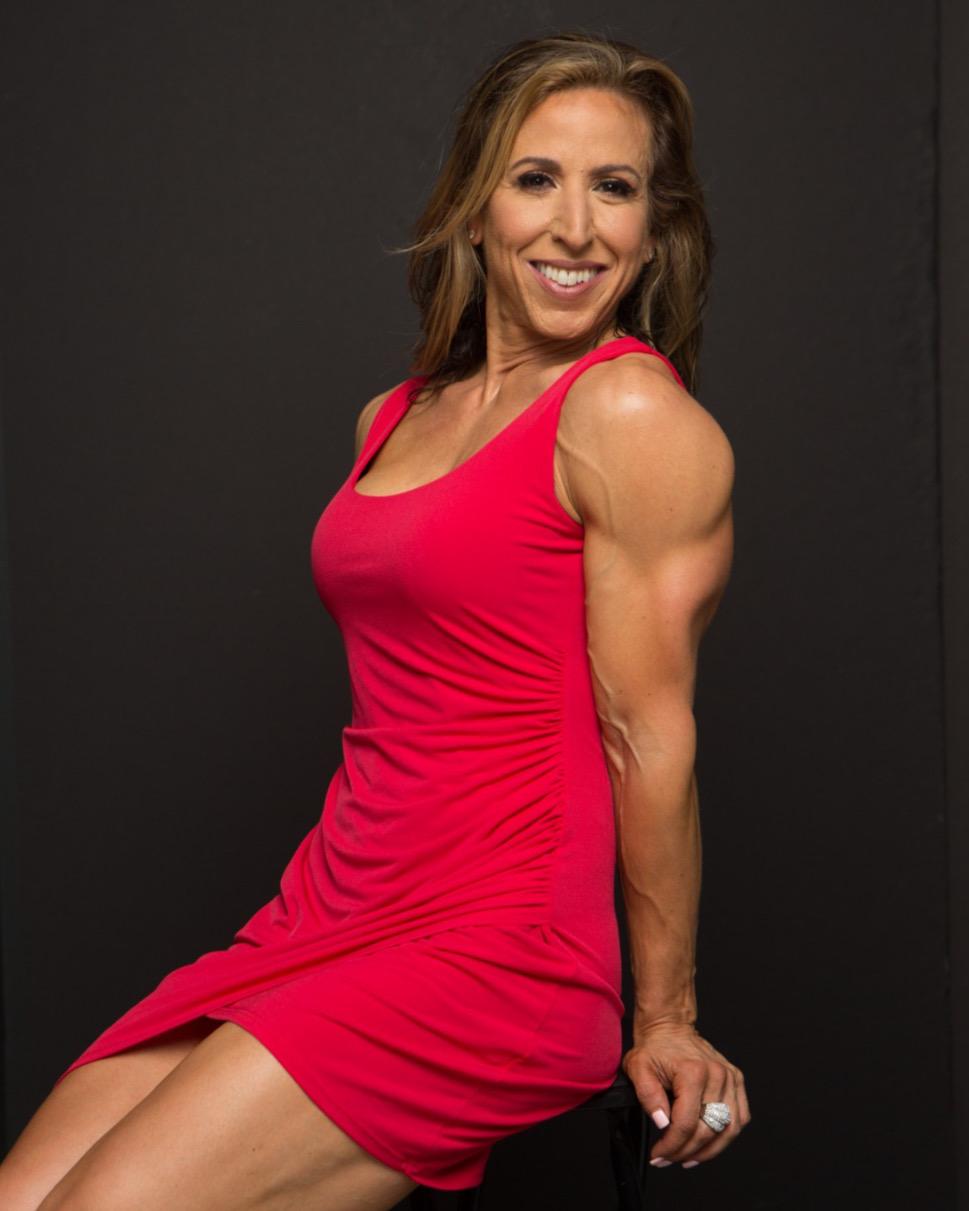
Linda Stephens
MS Clinical Nutrition • NASM CPT • IFBB Figure Pro
Live Session
Wed, 7:00 PM ET
"Your cholesterol is borderline." But nobody explained why.
During perimenopause and menopause, declining estrogen changes how your liver clears cholesterol and how your body processes lipids. You are not failing, your biology is shifting. Here is what most women experience before finding the real answers.
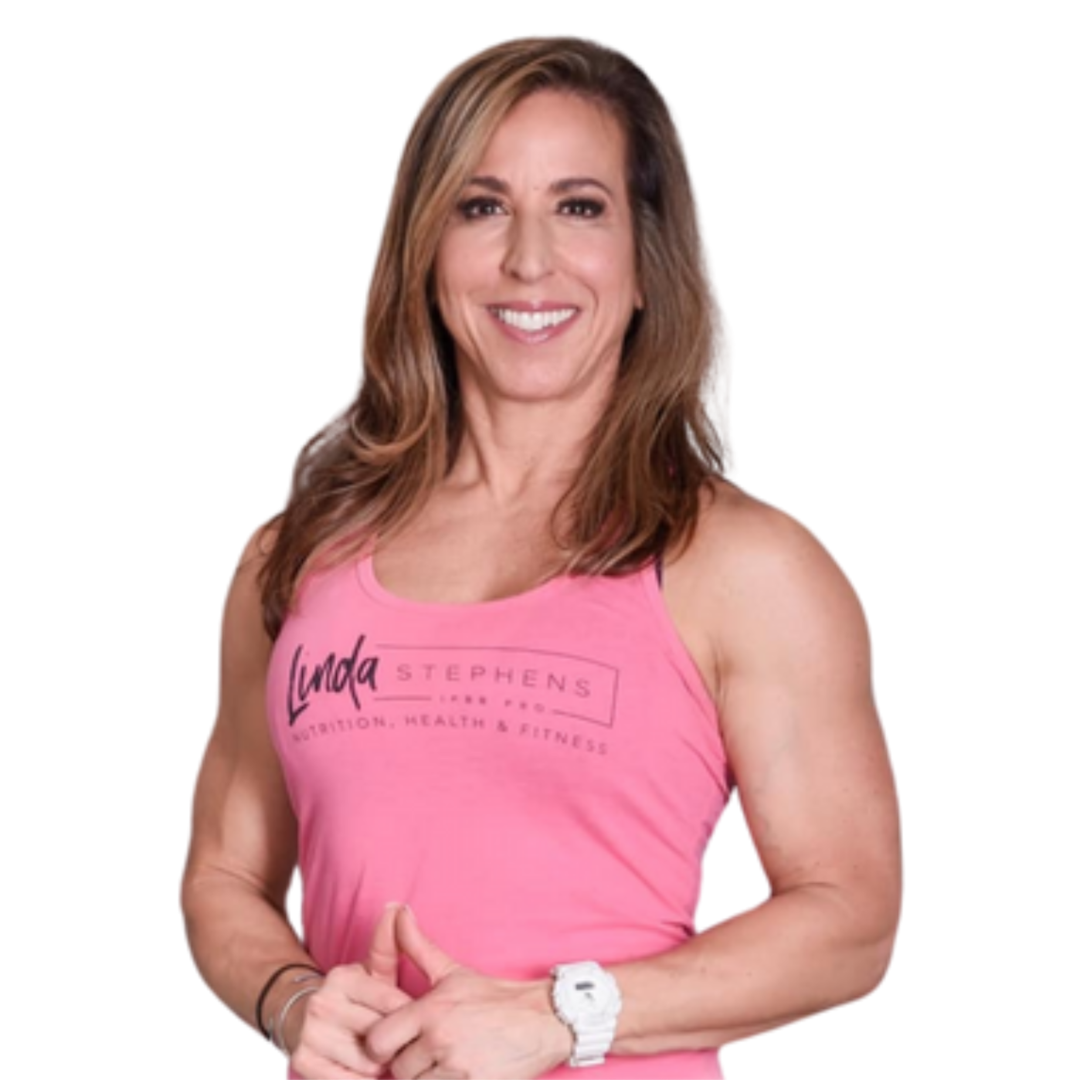
"Helping women thrive through nutrition, hormones, strength, and healthy aging."
Linda Stephens, M.S.
Sudden LDL Spike After 45
Your numbers jumped 30–50 points in a single year, even though your diet, exercise, and habits stayed exactly the same.
Pushed to Take a Statin Instantly
You were offered a prescription in under 7 minutes, with zero conversation about particle count, hormones, or systemic inflammation.
Midlife Metabolic Shift
Weight is shifting toward the midsection, visceral fat is creeping in, and traditional 'eat less, exercise more' advice stopped working.
Cardiovascular Blind Spots
A standard lipid panel misses ApoB and Lp(a) — the exact atherogenic particles that actually penetrate arterial walls.
Overlooked TG/HDL Ratio
Your doctor focused solely on Total Cholesterol, missing the subtle insulin resistance signaled by your triglyceride-to-HDL ratio.
'Watch and Wait' Anxiety
You left your physical with high numbers and a vague suggestion to 'cut butter' — leaving you anxious and looking for clear answers.
You deserve a nuanced conversation, not a rushed prescription.
In this free 60-minute session, we bridge the gap between clinical lab values and targeted nutrition, strength training, and hormone health.
What You'll Learn in This Free 60-Minute Masterclass
Four clear, actionable pillars designed to take you from confused by your lab portal to empowered, informed, and confident in your cardiovascular health plan.
Decode Your Standard Lipid Numbers
Unpack Total Cholesterol, LDL-C, HDL-C, and Triglycerides without confusing lab jargon so you know exactly what each number represents.
Calculate The Ratios That Actually Matter
Learn to calculate the Triglyceride-to-HDL ratio and Total-to-HDL ratio to expose underlying insulin resistance and atherogenic risk.
Ask For Advanced Tests Confidently
Get an exact word-for-word checklist of advanced cardiovascular biomarkers to request at your next doctor's appointment.
Read Your Trends & Implement Solutions
Track your bloodwork trends over time and pair them with evidence-based nutrition, progressive strength training, and lifestyle protocols.
As estrogen declines, LDL often climbs.
Estrogen stimulates LDL receptors in the liver, clearing circulating particles smoothly. When estradiol drops in your 40s and 50s, those receptors downregulate. Your blood test changes without you changing a single bite of food.
The Standard Lipid Balance Breakdown
Circulating LipoproteinsTriglyceride / HDL
The single best surrogate marker for insulin sensitivity. A ratio over 3.0 strongly correlates with small, dense LDL particle patterns and metabolic dysfunction.
Total / HDL Cholesterol
Also known as the Castelli Risk Index. Gives immediate clinical context if high total cholesterol is driven by protective high HDL or elevated atherogenic lipoproteins.
ApoB & Lp(a)
Apolipoprotein B counts the exact number of plaque-initiating particles. Lipoprotein(a) is an independent, genetically inherited cardiovascular multiplier you only need tested once.
The Eight Lipid Markers We'll Demystify
Your standard lab result flags numbers in red or green without telling you the whole story. Here are the eight markers we review step-by-step so you understand what to celebrate and what to optimize.
Lipid Panel — Sample Report
Female, 52 · Fasting
Sample report for illustration. Bring your own numbers to the webinar.
Total Cholesterol
Standard Lab Ref
< 200 mg/dL
Context-dependent; must be evaluated alongside HDL and Triglycerides.
LDL Cholesterol
Standard Lab Ref
< 100 mg/dL
Calculated estimate; does not distinguish between large fluffy vs small dense particles.
HDL Cholesterol
Standard Lab Ref
> 50 mg/dL
Protective reverse-transport particle. Quality and function matter as much as quantity.
Triglycerides
Standard Lab Ref
< 150 mg/dL
Optimal is < 100 mg/dL. Direct reflection of dietary refined carbs and insulin state.
VLDL Cholesterol
Standard Lab Ref
2 – 30 mg/dL
Rich in triglycerides; high levels indicate active hepatic fat production.
Apolipoprotein B
Standard Lab Ref
< 90 mg/dL
Gold standard atherogenic particle count. Every plaque-forming particle carries one ApoB.
Lipoprotein(a)
Standard Lab Ref
< 75 nmol/L
Genetically determined risk factor. Critical to test at least once in adult life.
High-Sensitivity CRP
Standard Lab Ref
< 1.0 mg/L
Vascular inflammation index. High cholesterol with low inflammation has a vastly different prognosis.
This Free Webinar is For You If You Recognize Yourself Here:
You are in perimenopause, menopause, or post-menopause and noticed sudden changes in your annual lab results.
Your doctor mentioned 'borderline high cholesterol' or suggested statins without reviewing your diet, exercise, or lifestyle.
You want to know if your elevated numbers actually pose cardiovascular risk or if they are normal midlife physiological changes.
You are tired of conflicting health advice on Instagram, TikTok, and Google that leaves you more confused than before.
You want to know exactly what questions and advanced lab markers (ApoB, Lp(a), hs-CRP) to bring to your next appointment.
You believe in proactive, preventative midlife wellness backed by clinical nutrition and structured strength training.
Join Linda live on Wednesday, Nov 11 at 7 PM ET
No fee, no hard-sell pitches — just clear, actionable clinical guidance.
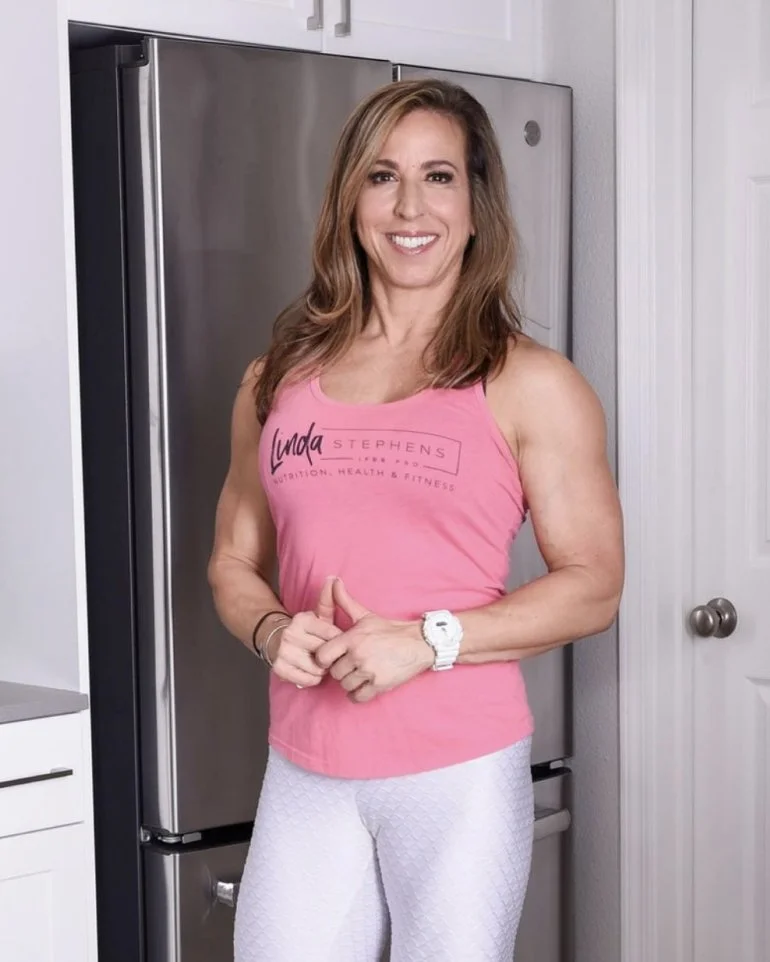
Hi, I'm Linda Stephens. I've been in your shoes.
I'm a Women's Health Specialist, Nutritionist, and Motivational Speaker who helps women age with strength, steadiness, and confidence through simple, consistent, and scientifically sound lifestyle changes.
When midlife hits, conventional "eat less and run more" advice completely fails because hormonal shifts fundamentally rewrite how your body metabolizes lipids, manages blood glucose, and retains lean muscle tissue. My mission is to demystify your lab results and give you the clinical clarity you need to thrive.
"Targeted Solutions. Consistent Results."
Master midlife strong, steady, and confident — one step, one biomarker, and one informed decision at a time.
Reserve Your Spot For Wednesday, Nov 11
Step into a judgment-free, medically rigorous hour dedicated entirely to midlife cardiovascular health. You'll receive the private Zoom link immediately, plus the 48-hour replay if you cannot attend live.